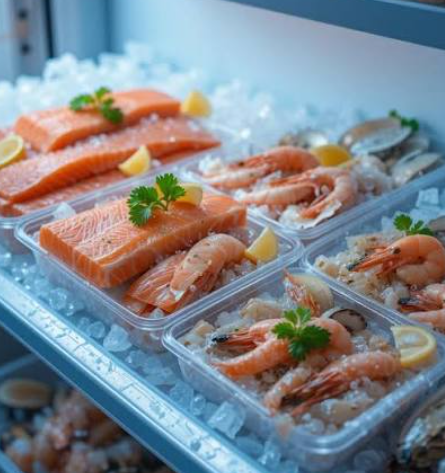
A dependable kitchen needs a dependable ingredient supply. Seafood is one category where planning can make a particularly noticeable difference because quality depends heavily on temperature control, storage, handling, and timely preparation.
Restaurants, cafés, hotels, caterers, and households may all have different seafood requirements, but the basic principles remain similar. Products need to be selected carefully, transported appropriately, stored under suitable conditions, and handled hygienically.
A well-organized supply system can make seafood preparation easier while helping businesses reduce waste and maintain consistent menu quality.
Planning Before Purchasing
Before buying seafood, it helps to understand how much is actually needed.
Restaurants can review previous sales to estimate demand. Caterers may plan purchases according to confirmed events, while households can buy based on planned meals.
Buying without a clear plan can result in unnecessary storage or waste. On the other hand, purchasing too little can create supply problems during busy periods.
A balanced approach allows kitchens to maintain useful stock without overcrowding freezer space.
Selecting Suitable Products
Seafood comes in many varieties, and each has different culinary applications. Fish may be suitable for grilling or baking, while prawns can work well in pasta, rice dishes, and stir-fries.
When selecting frozen seafood buyers should consider the intended recipe, portion requirements, storage capacity, and expected consumption.
Packaging and labeling should also be reviewed before accepting a product into inventory.
The Importance of Temperature Control
Temperature management is central to frozen food storage.
Freezers should operate according to appropriate food-storage requirements, and businesses should regularly monitor their conditions. A temperature problem can affect large quantities of inventory if it is not identified quickly.
During delivery, products should also be protected from unnecessary exposure to warmer conditions.
A strong cold-chain process therefore involves more than the freezer alone. Receiving, transportation, storage, and preparation all form part of the same system.
Organizing the Freezer
An organized freezer can make inventory management considerably easier.
Products should be arranged so that labels and dates remain visible. Similar items can be grouped together, while frequently used products can be placed where staff can access them efficiently.
Clear organization also makes stock checks faster.
Restaurants can create a simple inventory sheet recording product names, quantities, and relevant dates. Regular checks help identify which items need to be used first.
Packaging and Product Protection
Packaging plays an important role in protecting seafood during frozen storage.
Damaged packaging can expose food to freezer conditions and potentially reduce quality. Staff should inspect packages when deliveries arrive and report significant damage according to company procedures.
Sealed packaging can also make storage more hygienic and organized.
For commercial operations, standardized receiving procedures can ensure that every delivery receives the same level of inspection.
Safe Thawing
Thawing should be planned as part of the cooking process rather than treated as an afterthought.
Products can often be moved from freezer storage into controlled refrigerated conditions before they are needed. This allows gradual thawing while keeping the food under appropriate temperature control.
Staff should avoid leaving seafood at room temperature for unnecessarily long periods.
Once thawed, products should be handled promptly and according to applicable food-safety practices.
Maintaining Kitchen Hygiene
Raw seafood requires careful handling.
Preparation surfaces, knives, cutting boards, and utensils should be cleaned appropriately. Raw seafood should be separated from ready-to-eat foods to reduce cross-contamination risks.
Employees should also wash their hands properly after handling raw ingredients.
For restaurants, written hygiene procedures can help ensure that every member of staff follows the same standards.
Choosing a Supplier
Supplier selection can influence the reliability of the entire kitchen operation.
Businesses may evaluate factors such as product range, packaging, delivery practices, consistency, communication, and storage standards.
Instead of focusing only on price, buyers should consider overall value and reliability.
A supplier that consistently provides suitable products can make menu planning and inventory management easier.
Managing Costs
Seafood can represent a significant food cost for restaurants. Good inventory control can therefore have a direct impact on profitability.
Portion control is one useful strategy. Standard serving sizes help kitchens understand how much product is needed for each menu item.
Waste tracking can also identify problems. If a large amount of seafood is regularly discarded, managers can investigate whether the issue comes from over-ordering, poor storage, preparation errors, or low menu demand.
Supporting Menu Consistency
A reliable supply allows chefs to maintain consistent recipes.
If the size, quality, or availability of an ingredient changes frequently, portioning and cooking may become more difficult.
Standardized purchasing specifications can help. Businesses can define preferred product characteristics and communicate these requirements clearly.
This can improve consistency across different kitchen teams and service periods.
FAQs
1. Why is supply planning important for seafood?
Planning helps kitchens maintain sufficient inventory while reducing unnecessary purchases and food waste.
2. What should businesses check when receiving frozen products?
They can check packaging condition, labeling, product quantity, and appropriate temperature conditions according to their food-safety procedures.
3. How can restaurants reduce seafood waste?
Portion control, accurate purchasing, organized storage, inventory tracking, and demand forecasting can all help reduce waste.
Conclusion
Building a reliable seafood supply requires planning, careful purchasing, appropriate storage, and good kitchen practices. Temperature management and hygiene should remain priorities throughout the entire process.
When businesses combine reliable sourcing with organized inventory and responsible preparation, they can maintain better consistency and make more efficient use of their seafood supplies.