If you are looking for a unique and vibrant travel destination, then you should definitely consider visiting Hanoi. This bustling city in Vietnam is a melting pot of history, culture, and modernity, offering visitors a truly immersive experience. From exploring the ancient temples and pagodas to strolling through the bustling markets and sampling the delicious street food, Hanoi has something for everyone. The city’s rich history can be seen in its architecture, with French colonial buildings standing next to traditional Vietnamese structures. Whether you are a history buff, a foodie, or simply looking for a new adventure, Hanoi’s diverse attractions are sure to captivate you.
Cathay Pacific provides a flight service from Cebu To Hanoi ,making it easier than ever to visit this enchanting city. With convenient flight options, travelers can easily book a trip to Hanoi and start exploring all that it has to offer. From the moment you step off the plane, you will be greeted with the sights, sounds, and smells of Hanoi, setting the stage for an unforgettable journey. So why not book a flight with Cathay Pacific from Cebu To Hanoi and experience all the wonders this vibrant city has to offer? Whether you are looking to immerse yourself in history, indulge in delicious cuisine, or simply soak up the vibrant atmosphere, a trip to Hanoi is sure to be a memorable and enriching experience.
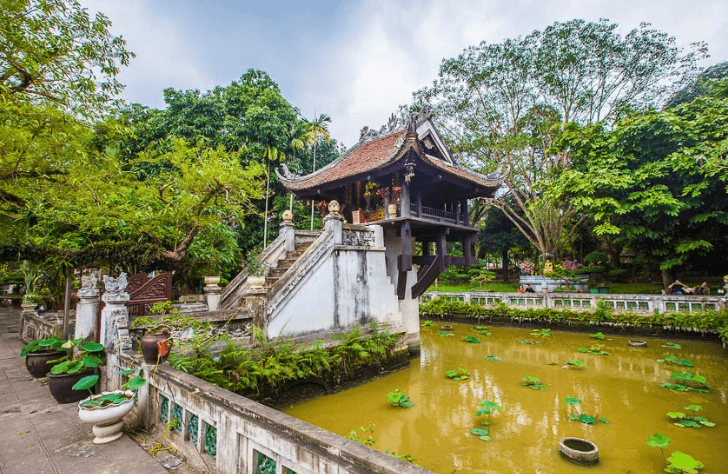
One Pillar Pagoda
The One Pillar Pagoda in Hanoi, Vietnam is a cultural and historical landmark that holds significant importance in the country’s history. The pagoda was originally built in 1049 during the reign of Emperor Ly Thai Tong, who dedicated it to the Bodhisattva Avalokiteshvara. The structure was designed to resemble a lotus flower emerging from the water, which is a symbol of purity and enlightenment in Buddhism.
The pagoda is built on a single stone pillar, which gives it its unique name. The pillar is said to represent a single lotus stalk rising out of the water, supporting a square wooden pavilion. The pagoda has gone through multiple renovations and restorations over the centuries, but it still retains its original charm and beauty. Visitors can climb up to the pagoda through a flight of stairs and explore the intricate architectural details and ornate decorations.
The One Pillar Pagoda is considered one of the most iconic and picturesque sites in Hanoi, attracting tourists and locals alike. The pagoda is surrounded by lush green gardens and a tranquil pond filled with lotus flowers, creating a peaceful and serene atmosphere for visitors to enjoy. The pagoda is also a popular site for prayer and meditation, with visitors coming to pay their respects and offer their prayers to the Bodhisattva Avalokiteshvara.
Visiting the One Pillar Pagoda is not only a cultural experience but also a spiritual journey for many. The pagoda’s rich history and significance in Vietnamese culture make it a must-visit destination for anyone traveling to Hanoi. The One Pillar Pagoda stands as a testament to the country’s deep-rooted Buddhist traditions and architectural excellence, making it a symbol of Vietnam’s cultural heritage and spiritual essence.
Hoa Lo Prison
Hoa Lo Prison, also known as the Hanoi Hilton, is a historical site located in Hanoi, Vietnam. Originally built by the French colonialists in the late 19th century, it was used to imprison political dissidents and revolutionaries. However, during the Vietnam War, the prison gained notoriety for its use by the North Vietnamese as a detention center for American prisoners of war.
The prison was originally constructed by the French in 1896 and was intended to hold around 450 prisoners. It was known for its harsh conditions and brutal treatment of inmates. Many Vietnamese revolutionaries were imprisoned and executed within its walls. The prison’s name, Hoa Lo, translates to “”fiery furnace”” in English, which references the kilns that were once used on the site to produce pottery.
During the Vietnam War, the prison gained international attention for its treatment of American prisoners of war. The inmates, mostly pilots shot down over North Vietnam, endured brutal conditions and torture at the hands of their captors. Despite its grim reputation, some prisoners were able to communicate covertly with each other and maintain their morale through acts of resistance and solidarity.
Today, Hoa Lo Prison serves as a museum that commemorates the history of the site and its significance during the Vietnam War. Visitors can tour the preserved sections of the prison, view artifacts and exhibits that detail the experiences of both Vietnamese and American prisoners, and gain a deeper understanding of the complex and tumultuous history of Vietnam. The museum stands as a reminder of the atrocities of war and the resilience of the human spirit in the face of adversity.
See also: Automation in Modern Businesses
Ho Chi Minh Mausoleum
The Ho Chi Minh Mausoleum is a prominent historical landmark located in Ba Dinh Square, Hanoi, Vietnam. It serves as the final resting place of Vietnam’s revolutionary leader, Ho Chi Minh, who played a crucial role in Vietnam’s struggle for independence and unification. The mausoleum is a symbol of the respect and admiration that the Vietnamese people have for Ho Chi Minh.
The imposing structure was constructed from materials gathered from all over Vietnam, and its design reflects the architectural style of traditional Vietnamese stilt houses. The mausoleum is made entirely of granite and features a large portico leading to the central hall, where Ho Chi Minh’s embalmed body lies in state. Visitors from all over the world come to pay their respects and learn more about the life and legacy of this revered figure.
The mausoleum is surrounded by a tranquil park with lush greenery and beautiful gardens, providing a peaceful setting for reflection and contemplation. In addition to viewing Ho Chi Minh’s preserved body, visitors can also explore the nearby Ho Chi Minh Museum, which showcases artifacts, documents, and photographs related to his life and work.
While the mausoleum is a popular tourist attraction, it is also a place of great reverence and significance for the Vietnamese people. It serves as a constant reminder of the sacrifices made by Ho Chi Minh and others in the fight for independence and self-determination. The Ho Chi Minh Mausoleum stands as a testament to the enduring legacy of one of Vietnam’s most influential leaders and continues to inspire people around the world with its message of unity, resilience, and freedom.