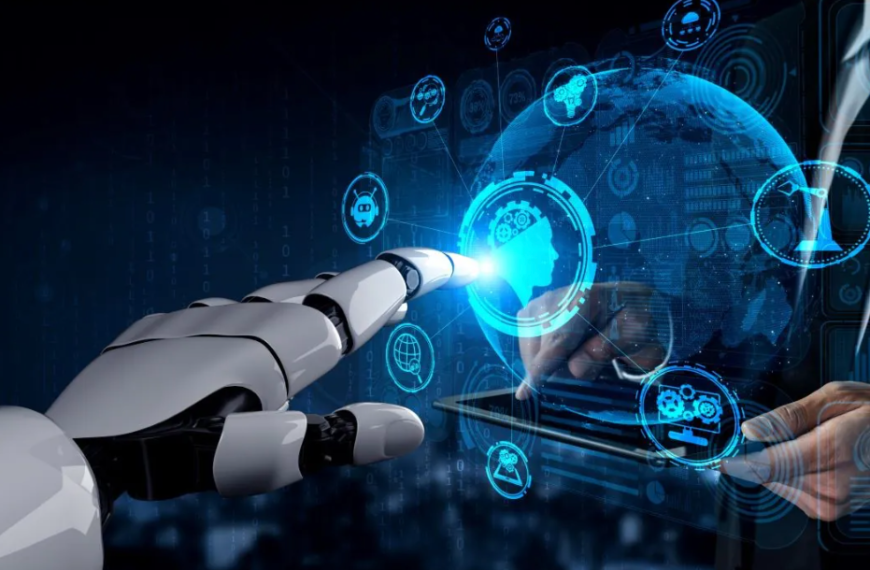
The rise of AI and automation presents a compelling question: can these technologies truly replace human jobs? Various industries, particularly manufacturing and customer service, face significant disruption as automation becomes more prevalent. However, this shift also paves the way for new roles that require advanced skills in AI management and development. Understanding the balance between human creativity and AI capabilities will be crucial in navigating this evolving landscape. What lies ahead for the workforce?
The Current State of AI and Automation
The rapid advancement of AI and automation technologies has profoundly transformed various sectors, with numerous studies indicating that a significant percentage of jobs may be affected in the coming years.
Current AI advancements showcase enhanced capabilities in data processing and decision-making, while automation trends reveal a shift towards streamlining operations.
This evolution invites exploration of the balance between technological progress and the preservation of human employment opportunities.
Job Displacement: Industries at Risk
As industries increasingly adopt AI and automation technologies, certain sectors face heightened risks of job displacement.
Manufacturing automation streamlines production processes, threatening traditional roles on assembly lines.
Similarly, the service sector grapples with AI-driven solutions, from chatbots to automated customer service, which can reduce human employment.
This shift raises concerns about workforce adaptation and the preservation of meaningful work in an evolving economic landscape.
New Opportunities: The Emergence of AI-Driven Roles
Innovation in technology heralds a wave of new opportunities, particularly in the realm of AI-driven roles.
This AI innovation fosters a landscape where businesses actively seek individuals with enhanced skill sets tailored for emerging technologies.
As traditional job structures shift, professionals can embrace roles in AI management, ethics, and development, ultimately promoting continuous skill enhancement and redefining career pathways in a liberated workforce.
See also: Biotechnology Breakthroughs
Balancing Human Skills and AI Capabilities
While the integration of AI technologies continues to reshape various industries, a crucial challenge emerges: balancing human skills with AI capabilities.
Human creativity and emotional intelligence remain vital in tasks requiring empathy, nuanced communication, and innovative problem-solving.
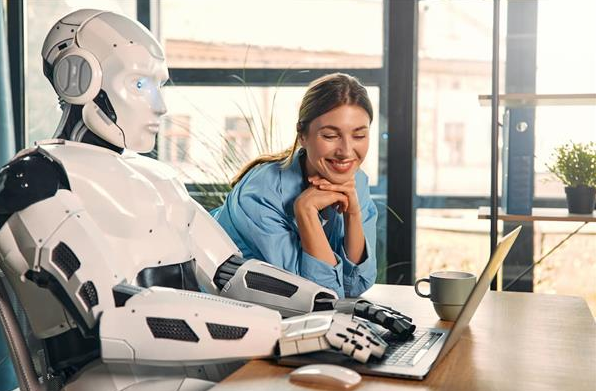
As AI excels in data processing, the synergy between human capabilities and machine efficiency becomes essential, ensuring that technology complements rather than replaces the unique attributes of human workers.
Conclusion
In conclusion, while AI and automation pose significant risks of job displacement, particularly in sectors like manufacturing and customer service, they also create new roles that demand advanced skills in AI management. Notably, a recent report by the World Economic Forum predicts that by 2025, 97 million new jobs may emerge, driven by the rise of AI technologies. This statistic underscores the importance of adapting to change, highlighting the potential for a future where human creativity and AI coexist harmoniously.