The Wall You Look at Most
In most homes, the television wall receives more daily visual attention than any other surface in the room. It is where sofas and armchairs orient themselves, the backdrop for evenings, conversations, and idle moments between tasks. Yet for all this prominence, the furniture anchoring it is often chosen last — treated as a functional afterthought rather than a considered design decision.
The unit you place beneath or around your television does more than hold electronics. It sets the visual tone of the entire room, and that influence is felt every time you walk through the door.
Why Proportion Matters
One of the most common mistakes in living room layout is selecting a TV stand narrower than the screen it supports. The result is a display that appears to float, visually unsupported, above a piece of furniture that looks incidental. A general rule from interior design holds that the width of the cabinet should match or slightly exceed the width of the television above it.
Height is the second variable. A unit that positions the screen too high forces necks upward during extended viewing, while a unit that sits very low can feel cramped in rooms with standard ceiling heights. For most adults on a standard sofa, the centre of the screen should sit between 100 and 110 cm from the floor.
See also: Building a Sustainable Income Strategy for Later Life
The Case for Wood
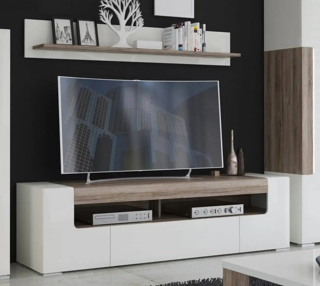
Glass, metal, high-gloss lacquers, and engineered boards all have their advocates in the TV furniture market. Wood — whether solid or veneered — retains a particular appeal because it ages well, coordinates across different decorating periods, and brings warmth to a room that might otherwise feel dominated by dark screens and black cables. A wooden tv cabinet grounds the living room with natural texture and can accommodate the cables and equipment that make modern home entertainment work, all while maintaining a coherent aesthetic.
Storage as a Design Variable
The storage capacity of a TV unit directly affects how the rest of the room looks. A cabinet with adequate cupboards, drawers, and open shelving allows consoles, remotes, streaming devices, and media to find a home. Without this, surfaces accumulate clutter that undermines the considered look of everything else.
Closed storage is preferable for items used infrequently, while open shelves work best for things you need quick access to — or for display items like books and decorative objects. A mixture of both tends to produce the most practical and visually balanced result.
Coordinating with the Rest of the Room
A TV unit does not need to match every other piece of furniture, but it should not fight them either. In rooms that mix furniture periods or finishes, a neutral wood tone — mid oak, ash, or pale walnut — typically acts as a mediator rather than a point of conflict. Darker finishes like dark walnut or ebonised wood read more emphatically and work best in rooms where other furniture elements are strong enough to hold their own.
The floor matters too. A pale wood unit on a pale wooden floor can lack contrast and feel washed out. Using a rug to establish a visual boundary, or choosing a unit with contrasting legs or metalwork, creates enough differentiation for each element to register clearly.
Cable Management and Technology
Even the most thoughtfully designed TV cabinet can be undermined by visible cable runs. Most contemporary units include pre-cut holes in shelving backs for cable routing, but the quality and placement of these openings varies. When evaluating furniture, check whether these openings are positioned where your actual cable runs will be, not simply where it was convenient to cut during manufacturing.
Units with a solid back panel rather than an open frame give you more options for mounting cable clips or adhesive organisers, keeping HDMI leads, power cables, and optical audio cables out of the sightline while remaining accessible.
Planning for Change
Few living rooms reach a final, finished state. Screen sizes change, streaming devices accumulate, and decorating tastes evolve. The most practical TV cabinets are those with enough storage that additional devices can be integrated without requiring a complete reorganisation, and with proportions robust enough to remain visually appropriate if the television itself is later upgraded.
Thinking ahead when choosing this piece of furniture — however modest the initial setup — tends to produce far better long-term results than treating it as a temporary solution.