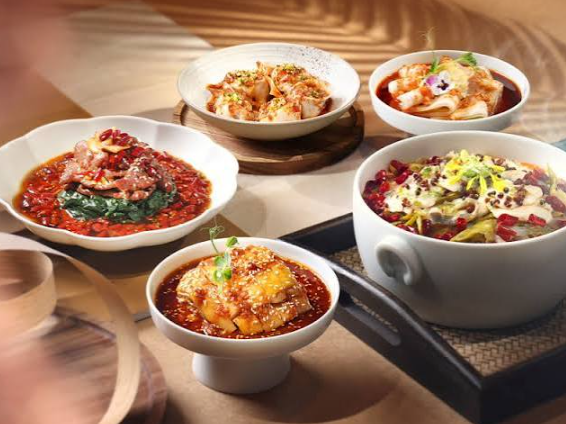
Hong Kong’s food culture reflects generations of culinary traditions alongside changing tastes and modern dining influences. Cantonese cuisine remains central to this identity, offering a broad selection of dishes that highlight ingredient quality, careful preparation and balanced flavours.
For residents and visitors, exploring Chinese restaurants can be an enjoyable way to understand the city’s dining culture. From everyday meals to formal gatherings, the experience often combines food, conversation and shared traditions.
The Foundations of Cantonese Cooking
Cantonese cuisine places considerable importance on the natural characteristics of ingredients. Fresh seafood, seasonal vegetables, poultry and meat are prepared using methods that aim to preserve flavour and texture.
Steaming is commonly used for fish and other delicate ingredients. Stir-frying relies on controlled heat and timing, while roasting produces distinctive colour and texture. Slow cooking is another important technique, particularly for soups and dishes that benefit from longer preparation.
These methods demonstrate why cooking technique is as important as the ingredients themselves.
Exploring Different Types of Chinese Dishes
A Chinese restaurant menu may include a wide variety of dishes. Guests might find seafood, roasted meats, vegetable preparations, rice, noodles and soups.
Some dishes are light and delicate, while others have richer sauces or stronger seasoning. Trying different preparations can help diners discover flavours they enjoy.
For a group meal, selecting a combination of dishes can create a more varied experience. Guests may choose a seafood dish, a vegetable option, a meat preparation and a shared soup, depending on the group’s preferences.
The Culture of Sharing Food
Sharing dishes is an established part of many Chinese dining occasions. Rather than ordering individual meals, guests often select several items for the centre of the table.
This arrangement encourages conversation and allows everyone to sample different flavours. It can be suitable for family gatherings, business meals and celebrations.
When planning a shared meal, consider the number of guests and the size of each dish. Asking restaurant staff for portion guidance can help avoid ordering too much or too little.
Choosing a Restaurant for Different Occasions
The right restaurant depends on the reason for dining. A casual lunch may call for a convenient location and a straightforward menu, while a formal business meal may require privacy and attentive service.
Family occasions can involve different age groups and dietary preferences. It may be useful to check whether the restaurant offers suitable seating, accessible facilities and dishes that meet the group’s needs.
For special events, advance reservations can make planning easier. Guests should confirm the number of diners, timing and any specific arrangements before arrival.
Understanding Service and Dining Atmosphere
A pleasant dining experience involves more than food quality. The restaurant’s atmosphere, seating comfort, cleanliness and service can all influence how guests feel.
Staff who can explain unfamiliar dishes and answer questions about ingredients help diners make informed choices. Good service also includes appropriate pacing, especially when several courses are being served.
The dining environment should suit the occasion. Some guests prefer a lively atmosphere, while others may value a quieter setting for conversation.
Considering Dietary Preferences
People may have different dietary needs for personal, cultural or health-related reasons. Guests should communicate allergies and restrictions clearly before ordering.
It is important to ask about sauces, seasonings, cooking oils and possible cross-contact with ingredients. A dish that appears suitable may contain an ingredient that is not immediately obvious.
Clear communication with restaurant staff can help reduce uncertainty and make the meal more comfortable.
Exploring a Hong Kong Chinese Restaurant
Those searching for a hong kong chinese restaurant can review its dining information and available menu arrangements before visiting. Checking current opening hours, reservation details and dietary options is a practical step when planning a meal.
Frequently Asked Questions
1. What makes Cantonese cuisine distinctive?
Cantonese cooking is often associated with fresh ingredients, careful preparation and techniques that allow natural flavours to remain prominent.
2. Is sharing dishes a good option for groups?
It can be a convenient way to experience several dishes together. The selection should reflect the group size and individual preferences.
3. Should diners reserve a table for a special occasion?
Advance reservations are useful for larger groups and busy dining periods. They also provide an opportunity to discuss seating or menu requirements.
Conclusion
Cantonese dining offers a combination of culinary heritage, varied ingredients and shared experiences. Choosing a suitable restaurant involves considering food preferences, atmosphere, service and the needs of the occasion. By exploring different dishes and planning ahead, diners can enjoy a more meaningful experience of Hong Kong’s Chinese food culture.