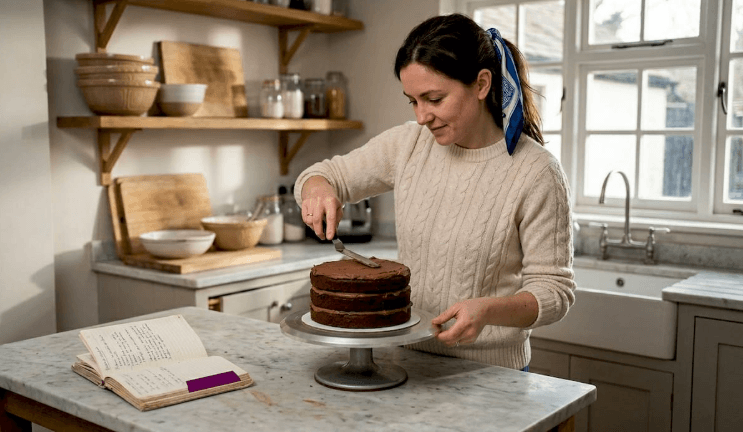
Visual appeal is equally important to taste in contemporary pastries and luxury candies’ designs. The perfect shine gives an ordinary cake, confectionery item or chocolate sculpture a look of elegance to make it more attractive for display purposes. To achieve an excellent shine of gold, silver, rose gold or bronze on desserts is not just about applying paint to it. Cake decorating pastries need a good mix of texture on top for an even finish while choosing right vehicles mediums and applying them correctly so that there are no lumps or streaks. Working on rolls of fondant, chilled buttercreams, and tempered chocolates is an excellent way to learn about metallics for creating gourmet desserts from scratch.
The secret behind brilliant reflective surfaces on confectionery creations lies in using food-grade luster dust. In contrast to conventional flat colored powders and coarse edible glitter, it is a fine-milled mica-based pearlescent powder that reflects light evenly on both curves and planes. Designed to be used as an ingredient in cooking, this powder is safe for consumption without any taste or toxicity because it meets all requirements of food safety regulations. Whether it’s used as an air-dry powder or reconstituted for application in liquid form, decorators have options such as achieving a matte finish like velvety pearl luster and a glossy shine similar to metal coating.
Choosing the Right Application Technique
Choosing an appropriate technique is dependent upon type of medium like fondant, gumpaste, modeling chocolate, or tempered chocolate shell – also depending on how much you want that metallic look.
- Dry Brushing for Subtle Shimmer: Subtle shimmer Dry brushing technique involves using a soft, fluffy makeup or pastry brush to apply dry powder directly on slightly tacky fondant/gumpaste giving it an elegant shine. The technique is very effective for creating embossed patterns, laces and fine sugar flowers that require a soft gradient of highlights.
- Wet Painting for Full Metallic Coverage: Full metallic coverage wet painting requires mixing powder with a fast evaporative, high proof spirit like grain alcohol or vodka and pure lemon juice to achieve opacity. Alcohol serves as an intermediate medium to hold pigments until they are fully dried out into a hardened metal coating without any residue left on it.
- Airbrushing Large Surface Areas: Dilute pigments by diluting them with alcohol for large surface area applications so that they can be sprayed easily from an airbrush nozzle. It provides smooth, uninterrupted coverage for big tier cake tops and complicated chocolates’ shapes.
Applying Metallic Finishes to Tempered Chocolate
Achieving a high-gloss finish for molded chocolates and artisan bonbons is difficult because of their fat content.
- Dusting Polycarbonate Molds: Before pouring tempered chocolate onto a polycarbonate mold, dust it with metal powder using either a brushing technique or a spray gun for better adhesion. As chocolate sets and contracts, it comes out of a mold without any gaps between layers because there is no space for them.
- Cocoa Butter Suspension: Mixing metallic dust with melted tempered cocoa butter allows the chocolatier to apply intricate patterns directly on finished pralines by splattering, brushing, or spraying them, which results in a durable, high-shine decorative accent that won’t rub off upon handling.
See also: Building a Sustainable Income Strategy for Later Life
Key Factors for a Streak-Free Finish
To prevent splatters from paintbrushes on the surface of a canvas, avoid water-based liquids or low-proof alcohol for this purpose. Sugar dissolves onto fondant while preventing cocoa butter from bonding properly, leading to a sticky and uneven finish. Paint always on a thin layer so that it can dry out completely before applying another coat of paint. Additionally, a smooth surface like chilled ganache or well-set fondant helps to make brushing easier for desserts.
High-purity, FDA-compliant metallic colors, pump applicators, and specialized decorating supplies for working with luster dust can be sourced directly. Sourcing certified food-grade decorative supplies guarantees safe, vibrant, and reliable results across all commercial baking and confectionery applications.
Conclusion
Achieving an attractive, shiny metallic appearance for cake and chocolate products requires both artistry and chemistry knowledge. Selecting a suitable technique like dry brushwork, wet paint application, or airbrush, along with an ideal solvent, will help to achieve beautiful metallic finishes on walls by using them as decoration materials. Understanding those concepts allows bakers and chocolate makers to provide high-quality products which are visually appealing for customers’ enjoyment while increasing value of a company’s offerings through better quality goods.