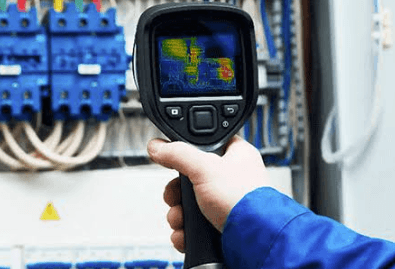
Selecting an appropriate thermal inspection camera for industrial applications involves understanding several technical specifications that genuinely affect diagnostic accuracy and practical usability, beyond simply comparing headline resolution figures between competing models.
Why Thermal Sensitivity Matters as Much as Resolution for Diagnostic Accuracy
While resolution affects image detail, thermal sensitivity, meaning the camera’s ability to distinguish small temperature differences, genuinely determines whether subtle developing faults, like early-stage electrical connection degradation, remain detectable before they become more serious problems.
How Temperature Measurement Range Affects Suitability for Different Industrial Applications
Different industrial applications, from electrical inspection to mechanical bearing monitoring, involve genuinely different typical temperature ranges, making it important to confirm a camera’s measurement range adequately covers your specific application’s actual temperature profile.
Why Image Fusion and Annotation Features Genuinely Improve Practical Inspection Workflows
Beyond raw thermal imaging capability, features like visual-thermal image fusion and in-field annotation genuinely improve practical inspection workflow efficiency, making these functional features worth considering alongside pure imaging specifications.
For inspection professionals evaluating options, this overview of an thermal inspection camera covers the specifications and features relevant to industrial diagnostic applications.
Frequently Asked Questions
Why does thermal sensitivity matter separately from image resolution?
Sensitivity determines the camera’s ability to distinguish small temperature differences, which is genuinely critical for detecting subtle early-stage faults regardless of overall image resolution.
See also: The Secrets Behind Successful Entrepreneurs
Should buyers prioritize the widest possible temperature measurement range?
Not necessarily; matching the range to your specific application’s actual typical temperature profile matters more than maximizing range beyond what your use case genuinely requires.
How much do practical workflow features like annotation affect overall camera value?
Genuinely significantly for professionals conducting frequent inspections, since these features can meaningfully improve documentation efficiency and reporting quality.
Final Thoughts
Selecting a thermal inspection camera thoughtfully involves balancing sensitivity, appropriate temperature range, and practical workflow features matched to your specific industrial inspection needs.